Skilled Diesel Engine Repair Service: Make Sure Your Engine Running Smoothly
Specialist diesel engine maintenance services are vital in maintaining engine performance and dependability. Proficient technicians implement sophisticated diagnostic equipment to uncover issues before they deteriorate. Regular servicing not only boosts performance but also lengthens the engine's useful life. Spotting the signs that reveal your engine requires attention is paramount. Because routine problems can materialize unexpectedly, knowing remedies can save money and effort. What should one review when seeking professional guidance?
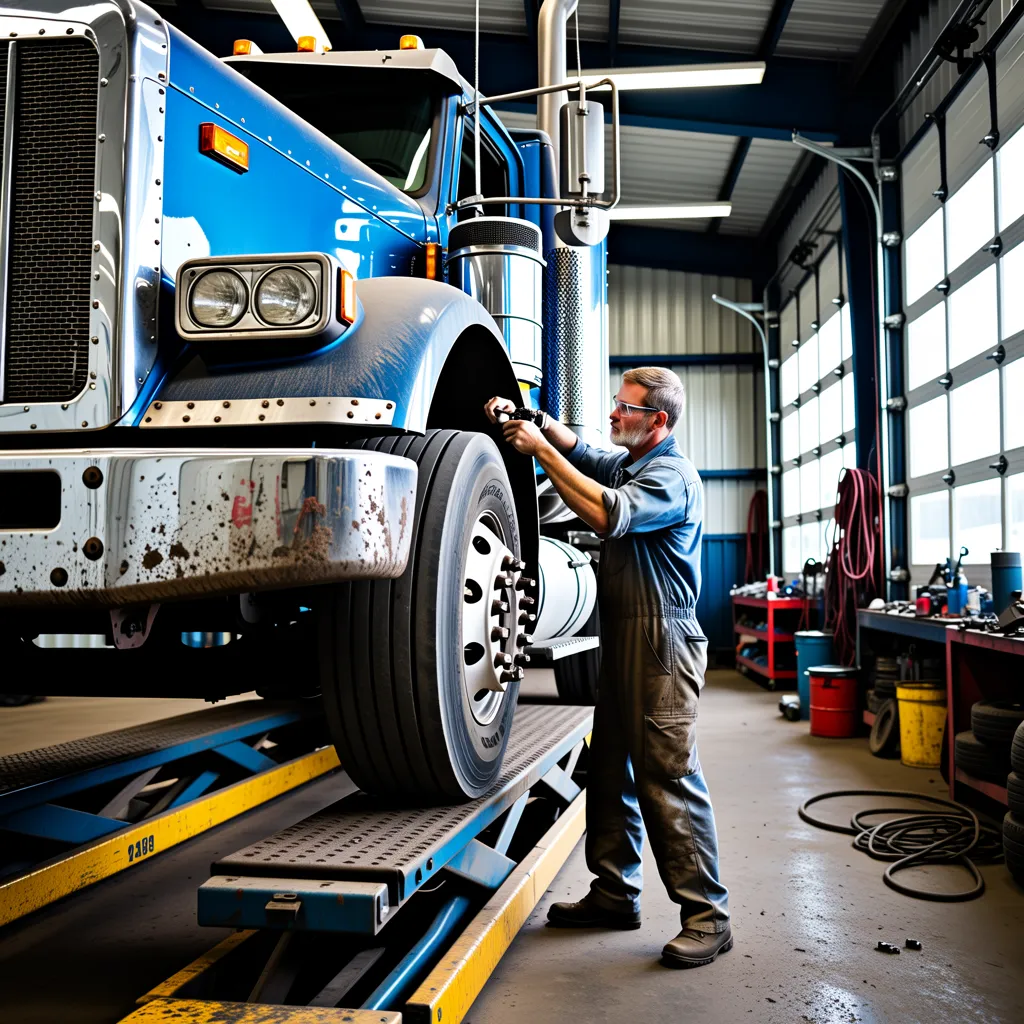
Identifying When Your Diesel Engine Requires Support?
How can someone tell when a diesel engine requires attention? There are several signs that a diesel engine might need repairs. Unusual sounds, like knocking or hissing, often indicate internal problems. Excessive smoke from the exhaust—especially black, blue, or white—can suggest fuel inefficiency or oil leaks. A noticeable decline in performance, such as reduced power or stalling, points to issues that require prompt checking. Keeping an eye on fluid levels is crucial; low oil or coolant may indicate leaks or other concerns. Also, a warning light illuminated on the dashboard should never be ignored since it indicates a detected malfunction in the engine management system. Finally, any changes in fuel consumption can be another warning sign. Early recognition of these signs can help avoid further damage and maintain the engine's lifespan.
The Importance of Consistent Diesel Engine Maintenance
Regular diesel engine maintenance is crucial for guaranteeing peak performance and durability. Regular inspections and servicing help to detect potential problems before they develop into expensive damage. Keeping the engine spotless, replacing the oil frequently, and examining filters are essential practices that enhance efficiency and lower emissions. Moreover, monitoring fuel quality and maintaining the cooling system avoid overheating and boost overall reliability.
Overlooking care can lead to decreased fuel efficiency and amplified wear on engine components, ultimately shortening the engine's lifespan. Regular inspections also provide opportunities to modify software or make necessary refinements to maximize performance. Moreover, respect for a maintenance schedule helps keep warranty coverage and guarantees compliance with environmental regulations. By prioritizing regular diesel engine maintenance, owners can enjoy a more efficient, powerful, and stable engine, contributing to lower operational costs and minimized downtime.
Professional Diesel Engine Maintenance Services: Why They Matter
Professional diesel engine repair offerings are critical in ensuring reliable diagnostics and effective solutions. By managing issues expeditiously, they help prevent costly breakdowns that can disrupt operations. Additionally, their expertise contributes to enhancing the overall longevity of diesel engines, safeguarding investments over time.
Proficiency Delivers Appropriate Testing
When a diesel engine experiences problems, the importance of expert diagnostics cannot be overemphasized. Experienced mechanics possess the knowledge and tools necessary to precisely detect issues that may not be readily apparent. Their skill enables them to analyze intricate data from testing tools, ensuring that the underlying reason of the issue is identified rather than merely tackling surface-level signs. This comprehensive method minimizes the risk of incorrect diagnosis, which can lead to unneeded repairs and prolonged downtime. Moreover, expert analysis lead to a more efficient maintenance process, enabling for swift and effective fixes. Ultimately, depending on professionals not only enhances engine performance but also maintains the longevity and reliability of the diesel engine, making it an essential aspect of maintenance.
Reduces Costly System Failures
Preventing expensive failures is a main benefit of using professional diesel engine repair services. These experts possess the knowledge and experience to identify possible issues before they develop into major problems. Regular upkeep, conducted by experienced technicians, guarantees that engines function efficiently, decreasing the probability of unforeseen failures. By addressing small repairs quickly, professional services reduce risks associated with extensive damage, which can lead to expensive repairs and extended downtime. Additionally, expert diagnostics help in understanding the engine's specific needs, allowing customized solutions that improve performance. Committing in such services ultimately protects against the monetary strain that unexpected breakdowns can impose, ensuring that operations remain uninterrupted and costs are kept in check.
Improves Engine Longevity
Employing expert diesel engine repair services not only prevents costly breakdowns but also significantly improves engine longevity. Skilled technicians have specialized knowledge and tools to identify and address potential problems before they escalate. Consistent maintenance, including oil changes and filter replacements, guarantees optimal performance and decreases wear on engine components. Additionally, these services typically incorporate modern diagnostic techniques that locate inefficiencies or malfunctions that could otherwise be overlooked. By tackling problems early, diesel engine repair specialists can greatly extend the operational life of the engine. This proactive approach cultivates reliability and efficiency, ultimately leading to reduced operational costs over time. Fundamentally, investing in expert repair services is a strategic decision for those seeking long-lasting performance from their diesel engines.
Significant Diesel Engine Complications and How to Fix Them
Across the industry of diesel engines, several recurring problems can compromise performance and efficiency. Being aware of these difficulties, paired with implementing preventative maintenance and effective repair techniques, is vital for peak operation. This presentation will outline key challenges and solutions for maintaining diesel engine reliability.
Common Diesel Engine Issues
Diesel engines, known for their durability and efficiency, can encounter a range of issues that may hinder operation. One frequent issue is contaminated fuel, which can lead to inadequate burning and reduced power. Additionally, injector failure is a frequent issue, often resulting in rough idling or misfiring. Another concern is excessive heat, typically due to leaking coolant or a malfunctioning thermostat, which can significantly harm engine components. Air intake restrictions, such as clogged filters, can restrict airflow and decrease efficiency. Finally, abundant exhaust smoke may signal incomplete combustion, often associated with damaged piston rings or faulty valves. Addressing these issues promptly is crucial to maintaining the best engine performance and longevity.
Preventive Maintenance Support
To maintain a diesel engine's functionality, consistent preventive care measures are necessary to mitigate common complications. Performing routine oil changes is vital, since clean oil ensures adequate engine lubrication and reduces wear. Regular checking and replacing of fuel filters prevents clogging that can impair engine performance. It's also essential to monitor coolant levels and confirm the cooling system works effectively to avoid overheating. Furthermore, inspecting and maintaining the air intake system is key for optimal combustion. Frequent examination of belts and hoses for wear prevents unexpected failures. Lastly, conducting periodic diagnostics helps identify potential problems in their initial stages, enabling timely intervention and reducing costly repairs. Following these steps promotes engine longevity and dependability.
Guide to Restoration Procedures
Identifying and addressing typical diesel engine problems is essential for maintaining peak performance and durability. Typical issues include fuel system malfunctions, overheating, and excessive exhaust fumes. Effective fixing techniques often require diagnostic testing to identify the root cause, succeeded by specific solutions such as installing new fuel injectors or cleaning fuel filters. Excessive heat can be controlled by checking coolant levels and inspecting the radiator, while exhaust problems may require the replacement of the catalytic converter. Routine upkeep, such as oil changes and air filter replacements, can avoid many problems from developing. By employing these maintenance approaches, diesel engine owners can improve reliability and performance, ultimately extending the life of their engines.
Choosing the Best Diesel Engine Service Center
When looking for the best diesel engine service center, one must consider multiple factors that can significantly affect the quality of service. First, the shop's reputation is vital; online feedback and testimonials can shed light on previous customer experiences. In addition, the qualifications and experience of the technicians are crucial, as skilled professionals can properly identify and resolve issues.
The availability of contemporary tools and systems also is crucial in successful repair work. A properly outfitted shop is able to perform repairs quickly and precisely. Additionally, transparency in pricing and the clarity of service warranties can suggest a trustworthy establishment.
To summarize, proximity with the customer's location may improve practicality, most notably in crisis situations. By thoughtfully considering these aspects, individuals can make informed decisions when determining on a diesel engine repair shop that meets their specific needs.
Methods for Extending the Lifespan of Your Diesel Engine
Several uncomplicated habits can substantially increase the longevity of a diesel engine. Consistent maintenance is critical; observing the manufacturer's maintenance schedule guarantees regular oil service and filter replacements. Choosing superior fuel can likewise produce a significant effect, as it lowers the chance of injector deposits and boosts combustion efficiency.
Monitoring coolant heat is critical. Engine overheating can cause major damage, so keeping adequate coolant levels and resolving any leaks immediately is important. Moreover, maintaining the air intake system clean avoids dust and dirt from penetrating the engine, which can produce degradation.
Driving tendencies matter too; refraining from prolonged idling and quick acceleration helps reduce strain on the engine. In conclusion, investing in a effective diagnostic tool allows for early problem detection, supporting proactive efforts that prevent pricey repairs. By following these strategies, diesel engine owners can maintain their engines' reliability and efficiency for years to come.
Regularly Answered Queries
What's the best way to identify a experienced Diesel Engine Technician?
To discover a competent diesel engine professional, one should solicit referrals, review online feedback, validate credentials, useful resource and ask about experience with specific engine types. Comparing several professionals guarantees selecting the most skilled professional for the job.
What Instruments Do I Want for Basic Diesel Engine Care?
For fundamental diesel engine upkeep, necessary instruments include wrenches, screwdrivers, pliers, oil filters, a multimeter, a fuel pressure gauge, and a torque wrench. These instruments help guarantee effective upkeep and troubleshooting of diesel engines.
Can I execute My Own Diesel Engine Repairs?
Yes, one can complete their own diesel engine restoration with the suitable tools, knowledge, and safety precautions. However, complex issues may require professional intervention to guarantee top-notch performance and circumvent further damage to the engine.
How Often Should I Check My Diesel Engine's Oil Content?
Inspecting a diesel engine's oil levels every 5,000 to 7,500 miles is advisable. Consistent evaluations guarantee optimal performance and prevent potential damage, permitting timely maintenance and boosting the engine's durability and effectiveness.
What Are Regular Symptoms of a Broken Diesel Fuel Injector?
Common indicators of a failing diesel fuel injector consist of rough engine idle, decreased fuel efficiency, excessive smoke from the exhaust, engine misfires, and a noticeable rise in engine noise during operation. Regular checks are advisable.